Lead Generation for Small Business: Turning Visitors Into Calls
Practical lead generation for small business — how to turn the visitors you already have into calls and inquiries, usually the cheapest lead generation there is.
On this page
Most advice about lead generation for small business jumps straight to getting more traffic — more ads, more posts, more visitors. But plenty of small businesses already get visitors. The problem is those visitors show up, look around, and leave without ever calling. Before you spend a dime driving more people to your site, it's worth making sure the ones already there can become customers.
Here's the practical version: how to turn the visitors you already have into calls and inquiries, and why that's usually the cheapest lead generation there is.
Leads you already have are the cheapest ones
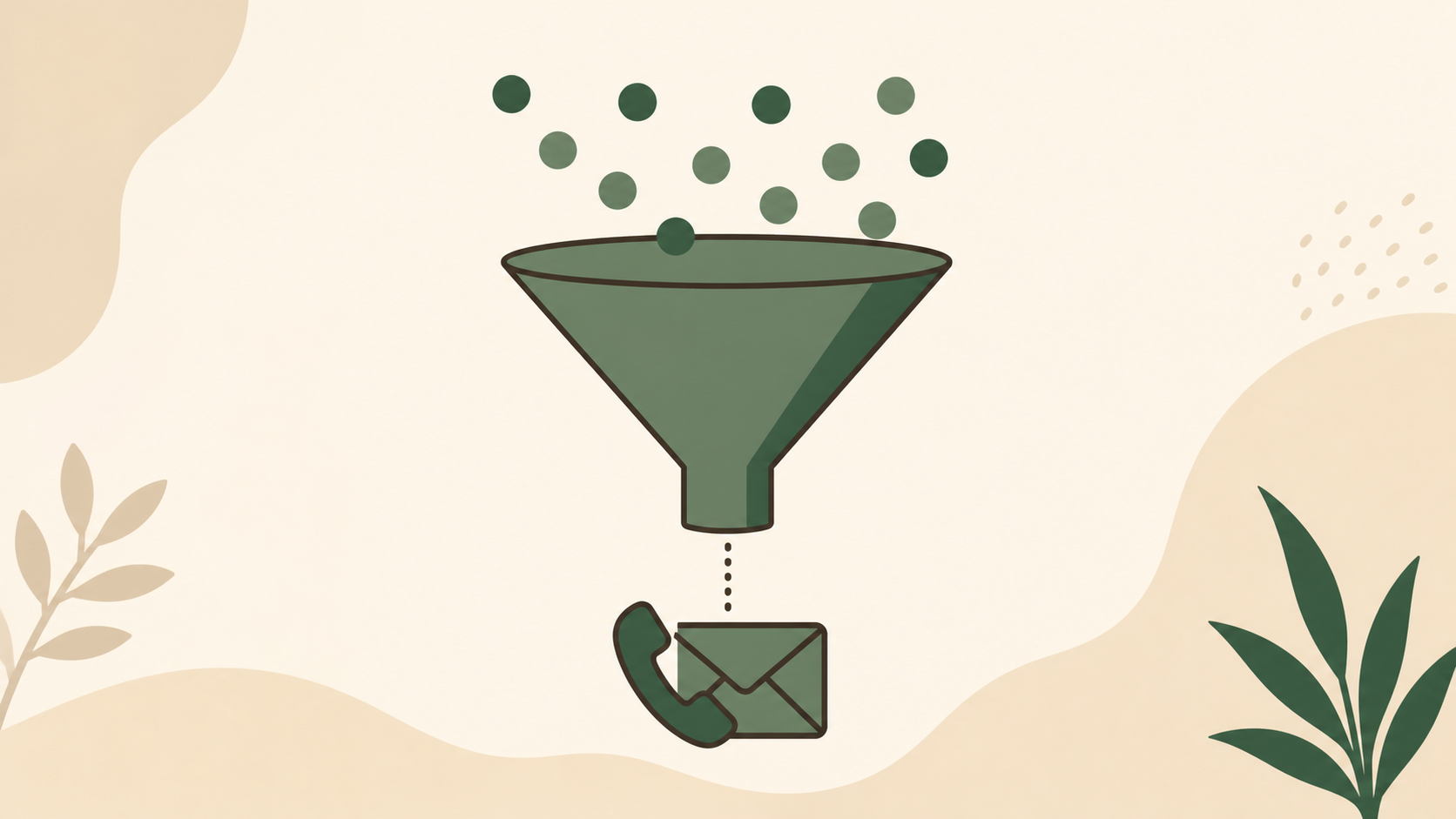
Every business has a leaky bucket somewhere, and for most small businesses the leak is between "someone visited the website" and "someone got in touch."
Fixing that leak is the best deal in marketing. Doubling your traffic is expensive and slow. Getting twice as many of your existing visitors to actually contact you costs almost nothing and works immediately. So the first move in lead generation isn't more visitors — it's making sure the people already landing on your site can see what you do, trust you enough to reach out, and find an obvious way to do it.
Takeaway: The cheapest leads are the visitors you already have. Fix the leak between "visited" and "got in touch" before you pay for more traffic.
Why visitors don't reach out
When people land on a site and leave without a word, it's usually one of a few fixable reasons — and none of them are "they just weren't interested."
Often the site doesn't quickly make clear what the business does or whether it serves them, so they bounce. Sometimes there's no obvious next step — no clear button, no phone number where they expect it, a contact form buried two clicks deep. Sometimes it's trust: the site looks dated or thin, so a cautious buyer moves on. And very often it's the phone: the site works fine, but people won't act until they feel confident, and nothing on the page gives them that confidence. Each of those is a fixable reason someone who wanted to hire you didn't.
Takeaway: Visitors don't reach out because the site is unclear, the next step is hidden, or nothing builds their trust — not because they didn't care.
Make the next step obvious — then be fast
Two things turn a visitor into a lead: an easy way to reach out, and a quick response when they do.
The first is design. Put a clear way to get in touch where people look for it — a phone number in the header, a simple contact form that doesn't ask for their life story, an obvious button that says exactly what happens next. Don't make anyone hunt. The second is speed, and it's the part most businesses lose on. When someone does reach out, how fast you respond largely decides whether they become a customer — research on sales leads found that following up within an hour makes you far more likely to actually connect than waiting even a little longer. A lead that sits in an inbox overnight has usually already called someone else.
Takeaway: Make reaching out effortless, then respond fast. A clear next step plus a quick reply is most of lead generation.
What it's like to have us handle it
Turning visitors into leads is exactly the kind of thing that's easy to know you should fix and hard to find time for. So with us, it's handled.
We build your site so it's clear what you do, easy to trust, and obvious how to get in touch — the contact paths where people expect them, the trust signals in place, nothing buried. We set up the lead capture so an inquiry actually reaches you quickly instead of getting lost. And we tell you honestly what's working. One real person is responsible for it, and they're here when you need a change.
That's the idea: stop leaking the customers you already attract, and turn your website into something that quietly brings in work.
Sources
- Speed of response and connecting with leads — Harvard Business Review: The Short Life of Online Sales Leads.
Keep reading
Can AI Write a Blog for a Small Business?
Yes, AI can write your business blog, if a person owns the plan. What Google actually allows, what the data says about results, and the exact process we use on our own blog.
What Does It Actually Take to Change a Website?
Most owners don't dread changing their website. They dread the chase. Here's the old way, the DIY way, and what it takes when you just send a message, with our own real turnaround figures.